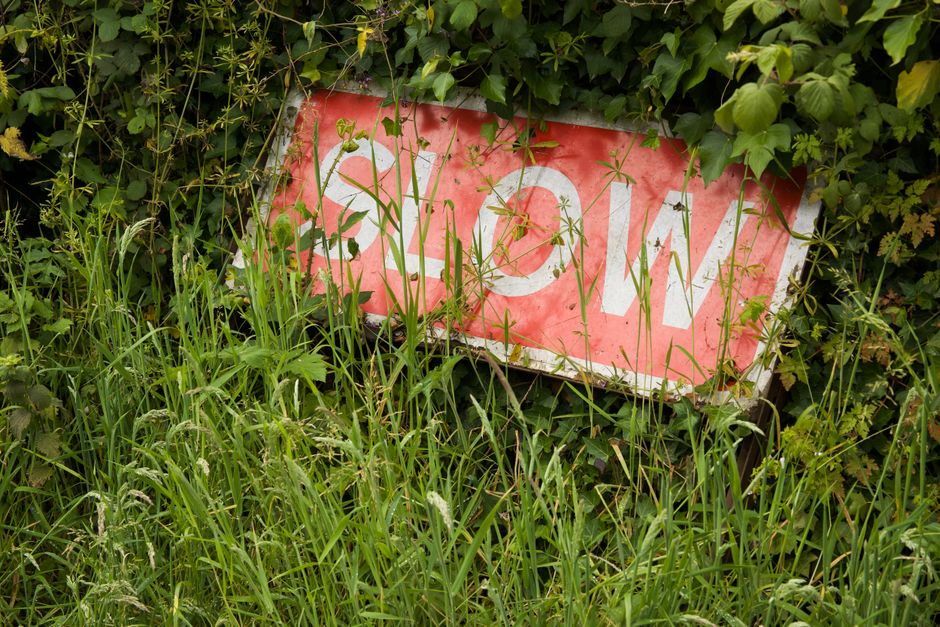
Neasden Lane Emergency Garden Clearance by Local Gardeners
If your garden has tipped from "needs a tidy" into "this needs sorting today," you are not alone. Storm debris, fly-tipped rubbish, overgrown borders, fallen branches, and forgotten waste can turn a normal outdoor space into a stressful mess very quickly. That is where Neasden Lane emergency garden clearance by local gardeners comes in: a fast, practical response when the job cannot wait.
This guide explains what emergency clearance involves, how a local team typically handles it, who benefits most, and what to ask before you book. It also covers safety, sensible expectations, and the small details that often make the biggest difference. Let's face it, when a garden is clogged with broken growth and clutter, the last thing you need is vague advice. You need a plan.
Why Neasden Lane Emergency Garden Clearance by Local Gardeners Matters
Emergency garden clearance is not just about making a space look better. In a built-up part of London, a neglected garden can create knock-on problems fast: blocked access, trip hazards, pests, damp patches, drainage issues, and tension with neighbours if waste starts spreading or overgrowth creeps across boundaries. On Neasden Lane, where homes and outdoor spaces can sit close together, speed and local knowledge matter quite a bit.
A local gardener understands how to work in tighter spaces, how to move waste out without turning the pavement into a mess, and how to clear a garden with the least possible disruption. They are also more likely to know the practical realities of parking, access, and timing in the area. That sounds simple, but in an emergency, simple is what you want.
There is another reason this matters: emergency clearance often sits at the intersection of garden care and safety. A branch leaning dangerously, a broken shed spilling debris, or ivy pulling at fences can become more than an eyesore. It may be safer to act early than wait for the situation to worsen. And honestly, once a garden gets to the point where you feel slightly embarrassed to open the back door, you are usually already overdue.
Expert summary: Fast garden clearance is most effective when it is treated as a safety-and-access job first, and a tidy-up second. The best results usually come from clear priorities, proper waste handling, and a local team that can respond without fuss.
How Neasden Lane Emergency Garden Clearance by Local Gardeners Works
Most emergency clearances follow a fairly straightforward process, although the exact order can vary depending on what is going on in the garden. A good local gardener will start by understanding the urgency, the type of waste, and whether there are any obvious hazards such as unstable branches, sharp debris, slippery surfaces, or blocked pathways.
In practical terms, the job often begins with a quick assessment. That might be done by phone, by photos, or in person if the situation is urgent enough. The aim is to work out what needs removing immediately, what can wait, and what requires specialist handling. For example, light green waste and cuttings are one thing; heavy rubble, rotten timber, or large tree sections are another. Different materials need different equipment and disposal methods.
Once the scope is clear, the gardeners will usually bring the right tools, protective gear, and waste bags or containers. A well-run clearance should feel methodical, not chaotic. Cutting back, lifting, loading, sweeping, separating recyclable materials, and making the space safe are all part of the job. Some customers think clearance means simply piling things into a van. In reality, the useful part is the judgement: what to keep, what to cut, what to bag, and what should be handled carefully.
After the main clearance, the team may do a basic tidy finish. That could include raking loose debris, brushing hard surfaces, collecting small offcuts, and checking for anything missed in corners, under hedges, or behind structures. If needed, they may also recommend follow-up work such as garden maintenance, hedge trimming, lawn mowing, or even tree lopping and removal if the problem involves damaged or overgrown woody growth.
The key thing to remember is that emergency work should be organised, not rushed in the wrong way. Fast does not mean sloppy. A good team knows the difference.
Key Benefits and Practical Advantages
Emergency clearance has obvious visual benefits, but the real value goes deeper. A cleared garden is easier to use, safer to walk through, and less likely to keep causing you stress every time you glance out of the window.
- Restores access quickly: pathways, doors, bins, sheds, and side returns become usable again.
- Reduces safety risks: loose branches, hidden debris, and slippery organic matter are removed before someone slips or trips.
- Prevents the problem growing: small issues are easier to manage once the worst of the mess is out.
- Improves neighbour relations: overgrowth, flying debris, and boundary spillover can be dealt with before they become awkward.
- Makes later gardening cheaper and easier: maintenance, replanting, or landscaping is much simpler after a proper clearance.
There is also a psychological benefit, which people sometimes underestimate. A garden that feels blocked or forgotten can make the whole house feel heavier. Once it is cleared, even partially, the space usually feels more breathable. You notice the light again. You hear birds, maybe traffic too, but the garden starts to feel like yours again.
If you are comparing options, you may want to look at the broader services overview to understand how emergency clearance fits alongside longer-term garden work. That can help you decide whether you need a one-off visit or a more complete recovery plan.
Who This Is For and When It Makes Sense
Emergency garden clearance is for anyone who cannot reasonably wait for a routine booking. That includes homeowners, landlords, tenants with permission, property managers, and people preparing a property for sale or new occupancy. It is especially sensible when access, safety, or neighbour impact is part of the problem.
Typical situations include:
- a storm has scattered branches, leaves, and broken fencing across the garden;
- an overgrown garden has become hard to access after a period of neglect;
- there is fly-tipped waste or dumped garden material that needs removing quickly;
- an old shed area, corner, or side return has become cluttered and unsafe;
- trees, hedges, or scrub have grown so heavily they are affecting light, access, or boundaries;
- you need a property brought under control before work, viewings, or tenants arrive.
Sometimes the decision is obvious. Other times people keep hoping the problem will sort itself out. It rarely does. A pile of cuttings becomes a wet, heavy mess. A loose branch becomes a hazard. A neglected corner becomes a nesting place for debris. You know how it goes.
If your issue is less urgent but still needs sorting, you might be better off with a planned tidy-up rather than an emergency call-out. In that case, a regular garden maintenance visit may be the smarter move after the initial clear.
Step-by-Step Guidance
Here is a practical way to think about the process from first call to final sweep.
- Describe the issue clearly. Say what has happened, how urgent it is, and whether there are access problems. If a branch is down or waste is blocking a gate, say so straight away.
- Share photos if possible. A few honest pictures help the gardeners judge the scale of the job without guesswork.
- Clarify what must stay. If there are plants, pots, decorations, tools, or furniture you want kept safe, point them out. It sounds obvious, but emergencies move quickly and details get missed.
- Ask about the approach. Will they cut, bag, load, sweep, and remove waste? Will they separate green waste from mixed waste? Good questions, simple questions.
- Check access and timing. Make sure gates, side passages, parking, and any entry instructions are clear. Local crews work faster when they can get in and out without a dance around the bins.
- Confirm what happens after clearance. Do you want a bare safe space, a neat reset, or a first step towards redesign? That choice affects how the job is done.
- Review the area once finished. Walk through the space with the team if you can. Look at corners, edges, drains, paths, and the base of fences. Better to spot one missed pile now than later in the dark with a torch.
One practical note: if the garden has woody overgrowth or damaged branches, the team may suggest tree work before the clearance is complete. That is normal. The job is easier and safer when the sequence is right.
Expert Tips for Better Results
In our experience, the best emergency clearances happen when the customer gives just enough guidance, but not too much noise. Here are a few things that genuinely help.
- Mark the urgent items first. If some areas are dangerous and others are just messy, say which is which.
- Be honest about hidden waste. Old bags, broken slabs, and buried cuttings can change the job quite a bit.
- Keep pets and children away during the work. Tools, sharp branches, and moving loads make the space unsuitable for wandering feet.
- Ask for waste handling clarity. Good teams should explain how green waste, mixed waste, and reusable materials are managed.
- Think beyond the first clear. If the garden has been neglected for months, the real win may be a follow-up visit rather than one heroic all-in job.
Here is a small but useful one: if you can clear a little access before the gardeners arrive, do it. Moving a bike, wheelie bin, or folding chair can shave time off the visit and reduce the chance of accidental damage. Tiny win, but worth it.
If you want to protect hard surfaces or outdoor structures during and after clearance, it can also help to look at related work such as decking services or landscaping once the urgent mess is out of the way. First things first, though.
Common Mistakes to Avoid
People often wait too long, then rush the booking, then make the same avoidable mistakes. It happens.
- Assuming every clearance is the same: a pile of leaves is not the same as storm damage or dumped waste.
- Not mentioning access issues: narrow gates, rear-only access, or awkward parking can affect timing and pricing.
- Forgetting about waste type: green waste, mixed rubbish, soil, rubble, and timber may need different handling.
- Skipping safety checks: unstable branches or broken fencing should be discussed before anyone starts lifting.
- Expecting a redesign in an emergency slot: clearance and landscaping are related, but they are not the same job.
- Choosing on speed alone: fast response is great, but a calm, competent team matters more than a flashy promise.
One slightly annoying truth: the cheapest option is not always the cheapest in the end. If waste is not removed properly, or the garden is only half-cleared, you may end up paying again. Nobody enjoys that.
Tools, Resources and Recommendations
A capable local gardening team should arrive with tools suited to the scale of the job. For emergency clearance, that usually means a practical mix rather than anything fancy.
- heavy-duty gloves and protective clothing;
- secateurs, loppers, and saws for cutting back growth;
- rakes, forks, and brooms for gathering loose material;
- waste bags, tubs, or containers for sorting debris;
- basic lifting equipment for awkward or heavy garden waste;
- eye protection and sturdy footwear when branches or debris are involved.
For the property owner, the most useful resources are a camera phone, a short written note about priorities, and a clear idea of what must stay in the garden. A simple list often beats a long explanation. If there is a fence line, a shed wall, or a planting bed you care about, mention it early.
It may also help to think about what comes next. A cleared garden often reveals follow-up jobs that were hidden before: a lawn needing recovery, hedges needing a cut, or borders that need shape. That is where services like hedge trimming and lawn mowing can be useful after the emergency work is done.
And if the cleared waste is being managed carefully, that is a good sign. A responsible approach to disposal matters, both for the environment and for your peace of mind. You can see how a team thinks about this through their recycling and sustainability approach.
Law, Compliance, Standards, or Best Practice
Emergency garden clearance is not usually a highly regulated activity in itself, but it should still be handled with proper care. In the UK, sensible best practice means protecting people, preventing avoidable damage, and disposing of waste responsibly. If a job involves large branches, unstable trees, shared access, or slippery surfaces, a careful approach is especially important.
Waste should be removed lawfully and not left somewhere else to become another problem. That may sound obvious, but it is worth saying plainly. Mixed garden waste, timber, soil, rubble, and green cuttings should be treated appropriately, and any specialist concerns should be discussed before work starts. A professional team will not brush that aside.
Health and safety also matter. If the garden contains sharp debris, broken glass, rotten timber, or collapsing structures, the team should work methodically and use protective equipment. If tree work is needed, that should be handled in line with good arboricultural practice rather than rushed through as a side task. For more detail on how a business frames that responsibility, it is reasonable to review its health and safety policy and insurance and safety information.
Good practice also includes clear customer communication. You should know what will be removed, what may remain, what access is needed, and how the garden will be left. If terms, payment, or expectations need clarifying, the relevant pages should be easy to find, including terms and conditions and payment and security.
Options, Methods, or Comparison Table
If you are unsure whether you need an emergency clearance, a standard clearance, or a longer-term garden reset, this comparison can help. It is not about selling one option over another. It is about matching the job to the problem.
| Option | Best for | Typical approach | When to choose it |
|---|---|---|---|
| Emergency garden clearance | Urgent access, safety issues, storm damage, dumped waste | Fast assessment, priority removal, safe tidy finish | When the space needs immediate attention |
| Standard garden clearance | General overgrowth, accumulated cuttings, routine debris | Planned visit, broader clean-up, structured waste removal | When there is no immediate hazard |
| Garden maintenance | Preventing the problem from returning | Regular trimming, mowing, border care, light tidy work | When you want the space kept under control |
| Landscaping or redesign | Changing the layout or improving the garden after clearance | Planning, preparation, structural and planting work | When clearance is only the first stage |
If the end goal is more than a clean-up, you may want to explore broader landscape gardening or full landscaping once the urgent work is complete. Clear first, plan second. That usually saves time and a bit of money too.
Case Study or Real-World Example
Here is a realistic example based on the sort of job local gardeners deal with regularly. A property near Neasden Lane had a rear garden blocked by a mix of blown-in branches, old plant pots, cuttings, and bags that had broken open after bad weather. The back path was awkward to use, and the owner was concerned about slippery debris near the step.
The first move was to separate the obvious hazard from the general mess. Broken branches and loose material were removed first, then the rest of the waste was bagged and taken out in stages. The team left the access route open early in the job so the customer could move safely to the garden door. That little decision makes a big difference, by the way. It turns a stressed-out space into a workable one.
Once the emergency clearance was complete, the garden was not "finished" in the decorative sense, but it was safe, usable, and ready for a future visit. The owner could then decide whether to book pruning, mowing, or a more complete tidy-up. That is often the real outcome: one urgent job that clears the path for the next sensible step.
Truth be told, a lot of successful emergency clearances look a bit unglamorous. No dramatic before-and-after reveal, no fancy jargon. Just a clean route, a safe garden, and that small feeling of relief when you can finally open the door without wincing.
Practical Checklist
Use this checklist before and during an urgent clearance visit. It keeps the job focused.
- Identify the main problem: waste, overgrowth, storm damage, or access blockage.
- Take clear photos if the team asks for them.
- Note any hazards: broken glass, unstable branches, slippery surfaces, rotten timber.
- Point out anything that must not be moved or cut back.
- Make access clear: gates, side paths, parking, codes, or entry instructions.
- Keep pets and children away from the work area.
- Ask how waste will be separated and removed.
- Confirm whether you need only clearance or follow-up maintenance too.
- Walk through the garden once the work is done.
- Decide whether a second visit for trimming, mowing, or maintenance would help.
If you are choosing a provider, it is reasonable to review the company's about us page so you can understand who is doing the work and how they present themselves. If you prefer to ask questions first, use the contact us page and be direct about the urgency. Clear communication saves everyone time.
Get a free quote today and see how much you can save.
Conclusion
Neasden Lane emergency garden clearance by local gardeners is about more than neatness. It is about restoring access, reducing risk, and getting a problem under control before it spreads into something bigger and more difficult. A good local team should work quickly, communicate plainly, and leave you with a garden that feels calmer, safer, and ready for the next stage.
If your outdoor space is overwhelming right now, start with the urgent bit. You do not need to solve everything in one go. Clear the hazard, open the path, and rebuild from there. That is usually how the best results happen anyway.
And once the dust, leaves, and broken bits are gone, the garden has a way of feeling hopeful again. A bit less heavy. A bit more yours.
Frequently Asked Questions
What counts as emergency garden clearance?
It usually means urgent removal of waste, overgrowth, or storm damage that is blocking access, creating a safety issue, or causing a rapid deterioration of the garden. If it cannot wait for a standard booking, it is probably an emergency job.
How quickly can local gardeners attend Neasden Lane?
That depends on availability, the size of the job, and how urgent the situation is. Local gardeners are often the best option for speed because they can usually assess access and travel time more efficiently.
Do I need to clear anything before the team arrives?
Only small, safe items if you can do so easily. Moving a bin, bike, or loose chair can help, but you should not risk yourself. If the garden is hazardous, leave it for the professionals.
Will emergency clearance include waste removal?
Usually, yes, but you should always confirm that upfront. A proper clearance service should explain what happens to green waste, mixed waste, timber, and any heavier materials.
Can gardeners remove fallen branches after a storm?
Yes, in many cases. Fallen branches, scattered debris, and broken growth are common reasons people request emergency clearance. If tree work is involved, the team may need to assess whether further pruning or removal is required.
Is emergency clearance the same as garden maintenance?
No. Emergency clearance is about restoring safety and access fast. Garden maintenance is usually a planned, ongoing service that keeps the garden tidy and manageable over time.
What if my garden also needs trimming or mowing?
That is very common. Once the main mess is cleared, the garden may benefit from hedge trimming, lawn mowing, or a broader tidy-up. It is often better to separate urgent work from follow-up work rather than forcing everything into one rushed visit.
How do I know if the job is too big for a normal gardener?
If there is heavy structural damage, unsafe trees, deep waste build-up, or access issues that make the work risky, you should say so straight away. A good local team will tell you whether they can handle it or whether specialist support is needed.
What should I ask before booking?
Ask what is included, how fast they can attend, whether waste is removed, how they handle safety, and whether there are any access or parking requirements. Straight answers are a good sign.
Can emergency clearance help prepare a property for sale or letting?
Absolutely. A cleared garden can make a property look more cared for and can remove a lot of visual noise. It does not need to be perfect to make a strong difference.
Should I choose the cheapest option?
Not necessarily. Price matters, but so do safety, speed, communication, and proper waste handling. The right choice is the one that solves the problem cleanly and without creating a new one.
Where can I find more information about the company and its standards?
Useful starting points include the company's services overview, insurance and safety, and recycling and sustainability pages. Those pages help set expectations around service, safety, and responsibility.