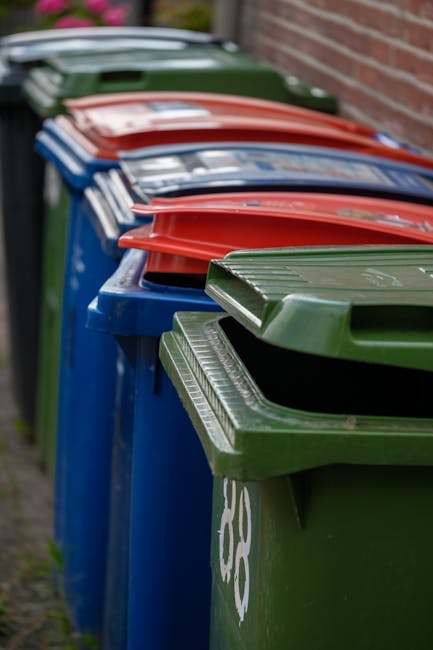
Brent Council rules for garden waste collection in Neasden
If you live in Neasden and garden even a little, the rules around green waste can feel oddly specific. One week it is hedge trimmings, next week it is a mountain of wet grass, and suddenly you are wondering whether that old flowerpot counts as waste or just clutter. Brent Council rules for garden waste collection in Neasden matter because getting them wrong can mean a missed collection, extra mess on the pavement, or a load that has to be sorted again. Nobody wants that. This guide breaks the process down in plain English so you can put the right things out, avoid the common slip-ups, and decide when a simple collection is enough and when a fuller clearance makes more sense.
Table of Contents
- Why Brent Council rules for garden waste collection in Neasden Matters
- How Brent Council rules for garden waste collection in Neasden Works
- Key Benefits and Practical Advantages
- Who This Is For and When It Makes Sense
- Step-by-Step Guidance
- Expert Tips for Better Results
- Common Mistakes to Avoid
- Tools, Resources and Recommendations
- Law, Compliance, Standards, or Best Practice
- Options, Methods, or Comparison Table
- Case Study or Real-World Example
- Practical Checklist
- Conclusion
- Frequently Asked Questions
Why Brent Council rules for garden waste collection in Neasden Matters
Garden waste sounds straightforward until you actually start bagging it up. Then the questions begin. Can you include soil? What about roots? Does a handful of weeds count the same as a sack of hedge clippings? The rules matter because garden waste collection is designed to keep organic material separate from general household rubbish, which helps with recycling and keeps collections efficient.
In Neasden, where gardens can range from compact front plots to long back gardens with mixed planting, the way you prepare waste can make a real difference. A tidy, compliant load is far more likely to be collected without fuss. A mixed one, not so much. And to be fair, the problem is usually not effort, it is confusion. People do the right thing with the best intentions and still end up with the wrong mix in the bin.
It also matters if you are managing a larger garden or preparing for a seasonal clear-up. After a windy autumn weekend or a spring pruning session, waste piles up fast. If you know the collection rules in advance, you can sort, store, and present the waste properly rather than trying to fix it on the morning of collection. That small bit of planning saves a surprising amount of time.
For many homeowners, the practical goal is simple: keep the garden moving, keep the kerb clear, and avoid repeat handling. If you also use services like garden maintenance or hedge trimming, knowing what qualifies as green waste helps you separate routine clipping from heavier material that may need a different approach.
How Brent Council rules for garden waste collection in Neasden Works
At a practical level, garden waste collection normally means separating plant-based material from household rubbish and presenting it in the format accepted by the local service. That usually includes grass cuttings, leaves, small twigs, hedge trimmings, weeds, and similar biodegradable garden material. The key point is that the waste should be clean and suitable for green recycling rather than contaminated with plastics, rubble, or general rubbish.
The exact service rules can change over time, so the safest habit is to check the current Brent Council guidance before putting waste out. That sounds obvious, but it is the sort of detail people skip when they are in a hurry. Then a bag sits there all week, half-open in the rain, looking very sorry for itself.
There are also practical limits you should think about, even when the collection rules are broadly clear. Overfilled sacks can split. Heavy soil can make bags unsafe to move. Mixed waste slows everything down. If your garden job has created more than a simple cuttings pile, a more complete solution may be better, such as a wider garden clearance service rather than trying to force everything into a standard collection format.
Most people find the system easiest when they treat it as three separate questions:
- Is the waste actually green or compostable?
- Is it accepted in the collection as prepared?
- Is there too much of it for a simple curbside lift?
If you can answer those three cleanly, you are already ahead of the game.
Key Benefits and Practical Advantages
Getting garden waste collection right is not just about avoiding a rejected bag. There are some genuine day-to-day benefits too.
- Cleaner outdoor space: Waste does not sit around attracting damp, pests, or that faintly sour smell wet grass gets after a few days.
- Less double handling: Proper sorting means you touch the same material fewer times. A small thing, but it adds up.
- Better kerbside presentation: Neat, compliant waste is easier to collect and less likely to cause friction with neighbours or passers-by.
- More predictable garden care: When collection is regular, maintenance feels manageable rather than chaotic.
- Improved recycling behaviour: Green waste separated properly is more likely to be reused or recycled in the intended stream.
If your garden needs ongoing attention, combining collection awareness with routine services like lawn mowing can keep the whole place in better shape with less last-minute panic. Truth be told, gardens rarely become a problem all at once; they get there in tiny weekly layers.
There is also a peace-of-mind advantage. Knowing the rules means you can prune a hedge on Saturday morning and not spend Sunday wondering where the branches should go. That mental load is worth something.
Who This Is For and When It Makes Sense
This topic is relevant to a wider group than you might think. Yes, it is helpful for homeowners with established gardens, but it is also useful for renters with small patios, landlords managing tenanted properties, and anyone who keeps a front garden tidy through the growing season.
You will especially want to understand the rules if:
- you regularly cut grass, trim hedges, or clear borders;
- you have seasonal bursts of leaves, pruning, and fallen branches;
- you are preparing a property for sale or let;
- you have just completed a planting refresh or landscaping job;
- you are trying to reduce general waste by separating green material properly.
It also makes sense for people who are weighing up whether to do the work themselves or bring in help. If you have a lot of woody material, heavy bags, or a cluttered outdoor area, you may be better off using an organised service and pairing it with the right disposal route. In some cases, the smartest move is to combine collection planning with recycling and sustainability practices so the whole process is more efficient and less wasteful.
And if you are not sure whether your garden is in the "small tidy-up" category or the "serious clear-out" category, well, you usually know once you start piling everything by the fence. That pile does not lie.
Step-by-Step Guidance
Here is a practical way to handle garden waste in Neasden without making the process harder than it needs to be.
- Separate green waste from everything else. Keep plant material apart from plastics, general rubbish, old compost bags, broken pots, stones, and DIY debris.
- Check what the council accepts. Review the current Brent Council guidance before collection day, especially if you have mixed or bulky material.
- Cut large items down to manageable size. Long branches, thick stems, and tangled brambles are easier to deal with when they are bundled or reduced.
- Use the right container or presentation method. Follow the collection format that is currently accepted, whether that means bags, bins, or another approved arrangement.
- Avoid overfilling. Heavy or overstuffed bags split in transit. That creates mess and can make lifting unsafe.
- Put the waste out at the correct time. A neat presentation before the scheduled collection window helps avoid missed pickups and weather damage.
- Keep paths and kerbs clear. Do not block pedestrian access or put waste where it can blow about in wind or traffic.
- Follow up if there is a problem. If a collection is missed or rejected, sort the issue quickly rather than leaving it to build up.
A lot of people do steps 1 to 3 well, then fall apart at step 4. It happens. The fix is usually simple: slow down and sort the load before it goes outside.
Expert Tips for Better Results
If you want to make garden waste collection easier every time, a few habits help enormously. None of them are dramatic. Just solid, boring, effective habits. Which, in garden care, is really the whole point.
Keep separate piles as you work. Put grass in one pile, woody cuttings in another, and non-organic waste somewhere else. Once everything is mixed, you are already doing extra labour.
Empty and shake out the clippings. Wet soil stuck to roots or turf can make green waste heavier and less tidy. A quick shake before bagging is often enough.
Think in layers, not one big sweep. Small weekly tidies are easier to collect than one giant overgrown trim every six weeks. If you already use garden maintenance, this becomes much simpler because the garden stays under control all year.
Watch the weather. Rain makes bags heavier and grass clippings more awkward to handle. A dry morning can save you a messy afternoon. You notice the difference immediately, especially when the bags are dragged across damp paving.
Don't ignore woody waste. A few sticks are one thing. A large quantity of branches is another. If your pruning has produced more than a modest load, consider whether a broader service such as tree lopping and removal is more appropriate for the job.
Use a realistic threshold. If you are standing there thinking, "This is a bit more than the bin can handle," it probably is. That tiny moment of honesty is useful.
Common Mistakes to Avoid
Most problems with garden waste collection come from a short list of avoidable mistakes. They are easy to make, especially when you are rushing.
- Mixing rubbish with green waste: Plastic ties, packaging, food waste, rubble, and old compost bags can contaminate the whole load.
- Including heavy soil or stones: These make collection awkward and may not be accepted in standard garden waste service.
- Leaving waste loose on the pavement: Wind, rain, and pedestrians all make a mess of poorly presented waste.
- Overfilling containers: If it bulges wildly, it is probably too much.
- Assuming last month's rules still apply: Councils update processes. Checking current guidance matters.
- Ignoring large jobs until the pile becomes unmanageable: A delayed clear-up is always harder than a regular one.
One surprisingly common issue is the "just one more bag" problem. You squeeze another load in, the bag tears, and suddenly there is shredded grass and tea leaves all over the driveway. Not ideal, really.
Tools, Resources and Recommendations
You do not need a shed full of specialist equipment to stay on top of garden waste. A few basic tools make the whole routine smoother.
- Heavy-duty garden sacks or approved containers: Useful for cuttings and leaves.
- Rake and broom: Ideal for gathering loose material from lawns, paths, and beds.
- Secateurs and loppers: Help reduce awkward stems before they become bulky waste.
- Wheelbarrow or tub: Makes moving material less messy, especially on larger plots.
- Tarpaulin: Handy for collecting branches or shifting material across the garden.
From a planning point of view, the most useful resource is a clear routine. If you know you cut the hedge every few weeks, set aside a disposal plan at the same time. That is where services like hedge trimming and general outdoor care become easier to manage as a pair, rather than as separate headaches.
For bigger projects, it is also worth looking at a structured service overview before you start. The page on services overview can help you think about the broader mix of garden work rather than just the waste at the end of it.
Law, Compliance, Standards, or Best Practice
This is one of those areas where the law and the practical rules overlap. Garden waste has to be handled responsibly, and local collection guidance sets the day-to-day expectations for what can be presented, how it should be separated, and how it should be stored before collection. The safe assumption is always this: if something is not plant-based, or if it is heavily contaminated, it probably does not belong in a standard green waste collection.
Best practice is simple:
- keep green waste separate from general waste;
- do not overload containers;
- avoid prohibited items like rubble, plastics, and chemicals;
- follow the current collection method used by Brent;
- store waste neatly so it does not create a hazard or nuisance.
If you hire someone to help with garden work, it is sensible to expect a professional approach to sorting, handling, and disposal. Reputable local providers should work with safe methods and clear terms. If you are comparing services, a careful read of terms and conditions and insurance and safety information is never wasted time.
That is especially true for larger clearance work. A neat, compliant process reduces the chance of a problem later. Nobody enjoys a mysterious pile left behind after the tidy-up. Nobody.
Options, Methods, or Comparison Table
Different garden situations call for different approaches. Here is a simple comparison to help you decide what fits best.
| Approach | Best for | Strengths | Watch-outs |
|---|---|---|---|
| Routine council-style garden waste collection | Regular clippings, leaves, small branches | Convenient, tidy, good for ongoing maintenance | May not suit bulky, mixed, or heavy material |
| DIY composting | Leaves, soft clippings, some shredded material | Low waste, useful for recycling nutrients back into the garden | Needs space and patience; not everything composts well |
| Garden clearance service | Large seasonal clear-outs, overgrowth, mixed loads | Fast, thorough, suited to bigger jobs | Not always necessary for small routine waste |
| Targeted maintenance with disposal planning | Ongoing garden care in smaller bursts | Keeps waste manageable and collections predictable | Requires consistency rather than one-off effort |
If your garden is neat but gets a lot of small weekly clippings, routine collection is usually enough. If you have a hedge that has got a bit wild, or a back corner that has become a jungle of "I'll deal with it later," then a clearance approach is often the better call. You can also pair that with garden clearance if the area needs a full reset rather than a normal tidy.
Case Study or Real-World Example
A typical Neasden scenario goes like this. A homeowner spends a Saturday morning trimming a mixed border, mowing the lawn, and cutting back an overgrown hedge that had been brushing the fence for weeks. By noon, there is a respectable pile of grass, a few bags of leaves, some thin branches, and one very stubborn pile of roots pulled from the flower bed.
The first attempt is usually to shove everything into one or two bags. Then the roots make the bag bulge, the soil makes it heavy, and the clippings compact into something surprisingly dense. The result? A clumsy load that is harder to move and more likely to be rejected or left behind.
The better approach is a simple one:
- separate the grass and leaves from the woody pieces;
- cut the branches down further if needed;
- leave out the roots and soil-heavy material for a different disposal route;
- present the waste neatly rather than as one mixed heap.
In practice, that small bit of sorting turns a messy end-of-day job into a quick, manageable pickup. And honestly, the garden looks better almost immediately. You can feel the difference when the patio is clear and the scent of fresh-cut grass finally gives way to open space again.
Practical Checklist
Use this checklist before any collection day or garden tidy-up. It keeps things simple.
- Have I separated green waste from general rubbish?
- Have I checked the current Brent Council guidance for accepted items?
- Are the bags or containers the right size and not overfilled?
- Have I kept out soil, rubble, plastics, and other contaminants?
- Are branches and hedging cut to a manageable length?
- Is the waste placed where it will not block access or blow away?
- Do I have a plan if the amount is larger than expected?
- Have I considered whether this is a simple collection or a bigger clearance job?
If you want the garden to stay easier to manage over time, pair that checklist with a regular maintenance routine. A little structure goes a long way. It really does.
Get a free quote today and see how much you can save.
Conclusion
Brent Council rules for garden waste collection in Neasden are mostly about common sense, but common sense needs a framework. Separate the right materials, avoid mixing in contamination, present waste neatly, and choose the right disposal option for the size of the job. That is the heart of it.
If you keep your garden care organised, collection day stops feeling like a puzzle and starts feeling like part of your normal routine. And that is what most people actually want: less hassle, less mess, more usable garden space. A calmer garden, a cleaner path, a simpler week. Not bad for a few bags of clippings and a bit of planning.
When in doubt, slow down, sort it properly, and give yourself the easiest version of the job. Your future self will thank you, probably while holding a cup of tea and looking at a much tidier back garden.
Frequently Asked Questions
What counts as garden waste for collection in Neasden?
Garden waste usually includes grass cuttings, leaves, weeds, hedge trimmings, small twigs, and other plant-based material. Mixed rubbish, rubble, and plastic are generally not part of it.
Can I put soil in my garden waste collection?
Soil is often treated differently from green garden waste because it is heavy and can contaminate the load. It is best to check the current Brent Council guidance before including any soil or root-heavy material.
Do I need to bag garden waste before collection?
That depends on the collection method currently in use. The safest approach is to follow the exact presentation rules set by Brent, because loose waste, overfilled sacks, or the wrong container can lead to problems.
What happens if my garden waste is mixed with general rubbish?
Mixed loads may be rejected or left uncollected. Even if only one item is wrong, it can affect the whole bag or container, so it is worth sorting carefully before putting anything out.
Is hedge trimming waste accepted as garden waste?
Usually, hedge trimmings are acceptable as garden waste if they are plant-based and presented correctly. Very large woody sections may need a different approach, especially if the trimming was extensive.
How often should I clear garden waste in a normal Neasden garden?
That depends on the size of the garden and the season. A small garden might only need occasional clear-outs, while a larger or faster-growing space may need regular weekly or fortnightly attention.
What should I do with branches and thicker prunings?
Small branches may be fine if they are cut down and presented correctly. Thicker or bulkier woody material may be better handled through a clearance service or another suitable disposal route.
Can I use composting instead of collection?
Yes, for suitable material like leaves, soft clippings, and some plant matter. Composting is not a fit for everything, though, and it works best if you have enough space and patience for the process.
What is the easiest way to avoid a missed collection?
Check the current rules, use the correct container or bag, avoid contamination, and place the waste out neatly at the proper time. Most missed collections happen because one of those basics was skipped.
When should I book a garden clearance instead of relying on council collection?
If you have a large amount of overgrowth, mixed waste, heavy branches, or a full garden reset on your hands, a clearance service is often more practical than trying to force everything into standard collection rules.
How can I keep my garden waste under control all year?
Light, regular maintenance is the best answer. Pair mowing, pruning, and general tidying with a disposal plan so waste never has a chance to become a weekend-sized problem.
Where can I find help if my garden needs more than just waste collection?
If the job is bigger than a simple put-out-and-collect situation, it can help to look at broader services such as services overview or speak with a local team through the contact page for practical advice.